


Health AI Intelligence: The Ultimate Superpower Transforming Wellness


We live in an era where technology is no longer a distant idea but something that touches our lives every day. From ordering groceries online to navigating cities using real-time maps, tech has reshaped how we live. Among the most exciting changes happening right now is in the world of health, where artificial intelligence (AI) isn’t just a buzzword—it’s turning into a real superpower.
In this blog, we’re going to talk about how health AI intelligence is becoming the superpower of modern wellness. We’ll get conversational, break down complex ideas into simple terms, and explore what it all means for you, your loved ones, and healthcare systems around the world. Let’s dive in.

What Do We Mean by Health AI Intelligence?
When people first hear “AI,” they might think of robots or futuristic machines. But in health, AI is much more grounded. It’s a type of computer intelligence that can analyze vast amounts of data, learn patterns, and make predictions. Think of it as a tool that can spot trends or issues that humans might miss.
That’s why many experts are calling it a superpower—not because it’s magic, but because of its potential to improve health in ways we’ve only dreamed about.

How AI Became a Superpower in Health
AI didn’t just appear in healthcare overnight. It evolved from advances in computing, data availability, and machine learning techniques. Over the past decade, health systems have collected more data than ever before—from electronic medical records to wearable device metrics. But data alone isn’t enough. It needs intelligence to make it useful.
This is where health AI intelligence steps in. It can:
- Interpret complex data quickly
- Predict health outcomes before symptoms appear
- Personalize treatment plans based on individual patterns
- Reduce human error in diagnostics
When you put all these together, you start to see why AI is being referred to as a superpower in the health industry.
Early Detection: A Superpower Against Disease
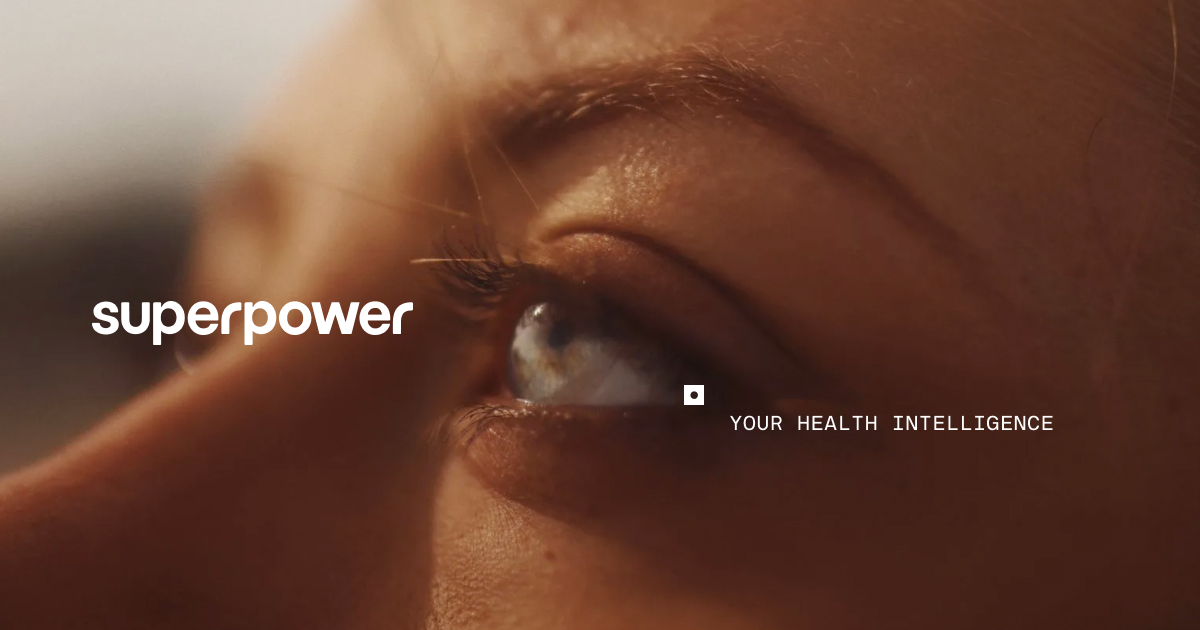
One of the most promising areas for health AI intelligence is early detection. In traditional healthcare, diagnoses often happen after symptoms appear, which can sometimes be too late. But AI can analyze subtle changes in data—like scans or genetic profiles—and alert providers to risks before they become serious.
Imagine a system that flags potential issues months or even years before traditional methods would catch them. That proactive approach feels less like a tool and more like a superpower—helping doctors and patients stay one step ahead.
Personalized Treatment: Tailoring Care with AI
No two people are exactly alike, yet conventional medical care often uses one-size-fits-all approaches. Health AI intelligence is changing that.
By evaluating a person’s unique health data—diet, genetics, lifestyle, environmental exposure—AI can recommend personalized plans that are far more effective. It’s like having a health strategy built just for you.
This personalization is a kind of superpower because it brings precision to care, helping patients receive the right treatment at the right time. And that can be life-changing.
Reducing Human Error: The Quiet Superpower
Healthcare professionals are incredibly skilled, but even the best can make mistakes. Misread tests, overlooked symptoms, and data overload can lead to errors, some of which have severe consequences.
Health AI intelligence doesn’t replace doctors. Instead, it supports them by acting as an extra set of eyes—an intelligent partner that reduces risk and catches patterns that might otherwise go unnoticed. When human expertise and AI insights come together, the results can feel like a superpower working behind the scenes.
Everyday Wellness: AI at Your Fingertips
AI in health isn’t only for hospitals and specialists. Many people interact with AI-powered health tools daily without even realizing it. Fitness trackers, smart watches, and mobile health apps use AI to analyze steps, sleep, heart rate, and more. They help users understand their habits and make changes that improve well-being.
This everyday integration of AI means that health intelligence isn’t just a clinical tool—it’s becoming a personal superpower for maintaining wellness every day. Whether it’s reminding you to move, suggesting healthier choices, or tracking your progress, AI brings health insights into your hands.
The Future: What’s Next for Health AI Intelligence?
As we look ahead, health AI intelligence will continue to evolve. We can expect:
- Smarter diagnostics that outperform traditional methods
- Even more personalized health plans
- Greater integration across devices, clinics, and care teams
- Faster, more accurate responses to health crises
These advancements will make AI not just a tool, but an ongoing superpower in how we live and age.
However, with great power comes great responsibility. Ensuring privacy, transparency, and ethical use of AI in health will be critical as we adopt these innovations more widely.
Final Thoughts: A Superpower for Everyone
It’s clear that health AI intelligence is more than a trend. It’s becoming an essential part of modern health systems and daily wellness routines. From early detection to personalized treatments, from reducing errors to empowering individuals, this technology is reshaping what it means to stay healthy.
Whether you’re a patient, a healthcare provider, or someone curious about the future of health, understanding the role of AI helps you see why it’s being called a superpower. Not because it replaces human care, but because it enhances our ability to protect, predict, and personalize health like never before.
And as we continue to unlock its potential, health AI intelligence could redefine wellness for generations to come.